
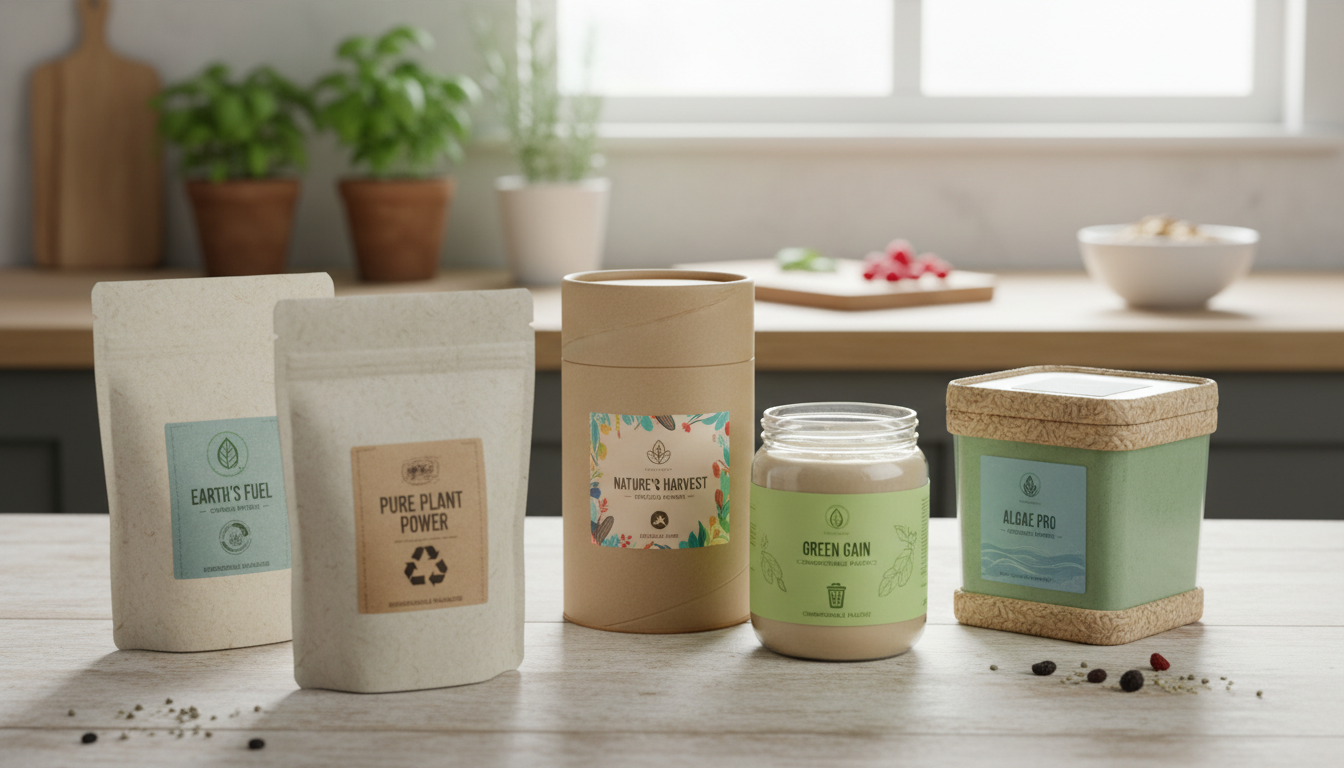
Have you ever wondered why your protein powder loses its potency before you finish the container? The global protein supplement market is transforming, with Wintech Package protein powder packing becoming a critical factor in product success and consumer satisfaction.
Wintech Package understands that modern protein powder packing goes far beyond simple containment. Custom protein containers now represent strategic solutions that preserve freshness, communicate brand values, and meet consumer demands for convenience.
As the protein supplement packaging landscape evolves, reclosable features have emerged as game-changers. These innovative designs protect your supplement’s quality, extend shelf life, and provide the ease of use active consumers expect.
Your protein powder packing choices directly impact product perception, consumer loyalty, and ultimately, your brand’s market success. Reclosable features are no longer optional—they’re essential competitive differentiators in today’s dynamic supplement market.
Key Takeaways
- Reclosable features are transforming protein powder packaging
- Packaging impacts product quality and consumer satisfaction
- Modern containers protect supplement potency
- Consumer convenience drives packaging innovation
- Strategic protein powder packing can differentiate your brand
The Importance of Innovative Protein Powder Packing
Protein powder packing has evolved from a simple storage solution to a critical component of product quality and consumer experience. Today’s supplement market demands packaging that goes beyond basic containment, addressing complex consumer needs and brand expectations.
Modern protein powder packing represents a sophisticated approach to product preservation, brand communication, and user convenience. Wintech Package understands that effective packaging serves multiple strategic purposes in the competitive supplement industry.
Understanding Protein Powder Packing
Protein powder packing encompasses a comprehensive system designed to protect your product throughout its lifecycle. Key considerations include:
- Moisture barrier protection for bulk protein packaging
- Preservation of product quality in whey protein tubs
- Maintaining nutritional integrity of organic protein packaging
- Preventing contamination in protein powder bags
Benefits of Modern Protein Powder Packing
Advanced protein powder packing delivers significant advantages for both brands and consumers. Innovative designs offer:
- Extended product freshness
- Enhanced user experience
- Improved brand perception
- Reduced product waste
Role of Reclosable Features in Protein Powder Packing
Reclosable packaging has become a game-changer in protein powder packing. Stand-up resealable pouches provide an airtight seal that protects your product from moisture, oxygen, and environmental contaminants. These features are particularly crucial for maintaining the quality of protein supplements between uses.
The right packaging can transform your product from a simple nutritional supplement to a premium consumer experience.
Consumers now expect packaging that combines functionality, sustainability, and visual appeal. Your protein powder packaging is no longer just a container—it’s a critical marketing tool that communicates brand quality and commitment to consumer satisfaction.
Key Materials Used in Protein Powder Packing
Selecting the right materials for protein powder packing is crucial for maintaining product quality, ensuring consumer satisfaction, and meeting sustainability goals. Your packaging choice impacts everything from product preservation to environmental footprint.
Innovative Material Options
Modern sports nutrition packaging relies on several advanced materials to protect and preserve protein powders. The most common materials include:
- High-Density Polyethylene (HDPE) for rigid protein powder jars
- Polyethylene Terephthalate (PET) for durable containers
- Multi-layer flexible films for stand-up pouches
Sustainability in Packaging
Eco-friendly protein containers are becoming increasingly important to consumers. You’ll find innovative sustainable options emerging in the market, including:
- Post-consumer recycled (PCR) plastics
- Biodegradable film materials
- Compostable packaging solutions
Performance Enhancements
Advanced protein powder packing materials now offer exceptional barrier protection. Multi-layer films with specialized coatings prevent moisture, oxygen, and UV light from degrading your nutritional products.
| Material Type | Barrier Performance | Sustainability Rating |
|---|---|---|
| HDPE Containers | Excellent Moisture Resistance | Moderate Recyclability |
| Multi-Layer Flexible Films | Superior Oxygen Protection | High Sustainability |
| PCR Plastics | Good Barrier Properties | Excellent Eco-Friendliness |
Your choice of protein powder packing materials can significantly impact product quality, environmental responsibility, and consumer perception. Prioritize packaging solutions that balance performance, protection, and sustainability.
Future Trends in Protein Powder Packing
The protein powder packing landscape continues to evolve rapidly, driven by technological innovations and shifting consumer expectations. You’ll discover exciting developments that are transforming how brands approach custom protein containers and packaging strategies.
Technological Breakthroughs
Digital technologies are revolutionizing protein powder packing with smart packaging solutions. QR codes now enable consumers to access workout routines, nutrition guidance, and brand stories directly from their package. Near-field communication (NFC) tags allow instant product information retrieval with a simple smartphone tap.
Augmented reality features are creating immersive experiences in protein powder packing. Consumers can now point their phones at packages to view interactive content, 3D product visualizations, and engaging brand narratives. These innovations transform traditional packaging into dynamic brand communication platforms.
Consumer-Driven Design
Modern protein powder packing reflects changing consumer preferences. Millennials and Gen Z demand convenient, sustainable packaging solutions that align with their active lifestyles. Lightweight, compressible formats like stand-up pouches are gaining popularity, offering portability and reduced environmental impact.
Single-serve protein powder packing continues to grow, addressing needs for portion control and on-the-go nutrition. Safety features such as child-resistant closures are becoming standard, providing peace of mind for households with young children.
Strategic Future Outlook
Your protein powder packing strategy must balance multiple priorities: product protection, consumer convenience, brand differentiation, and sustainability. Successful brands will integrate advanced materials, reclosable features, and innovative technologies to create packaging that truly resonates with modern consumers.
Wintech Package stands ready to help you navigate these complex packaging challenges. By embracing cutting-edge protein powder packing solutions, you’ll position your brand for long-term success in an increasingly competitive market.