
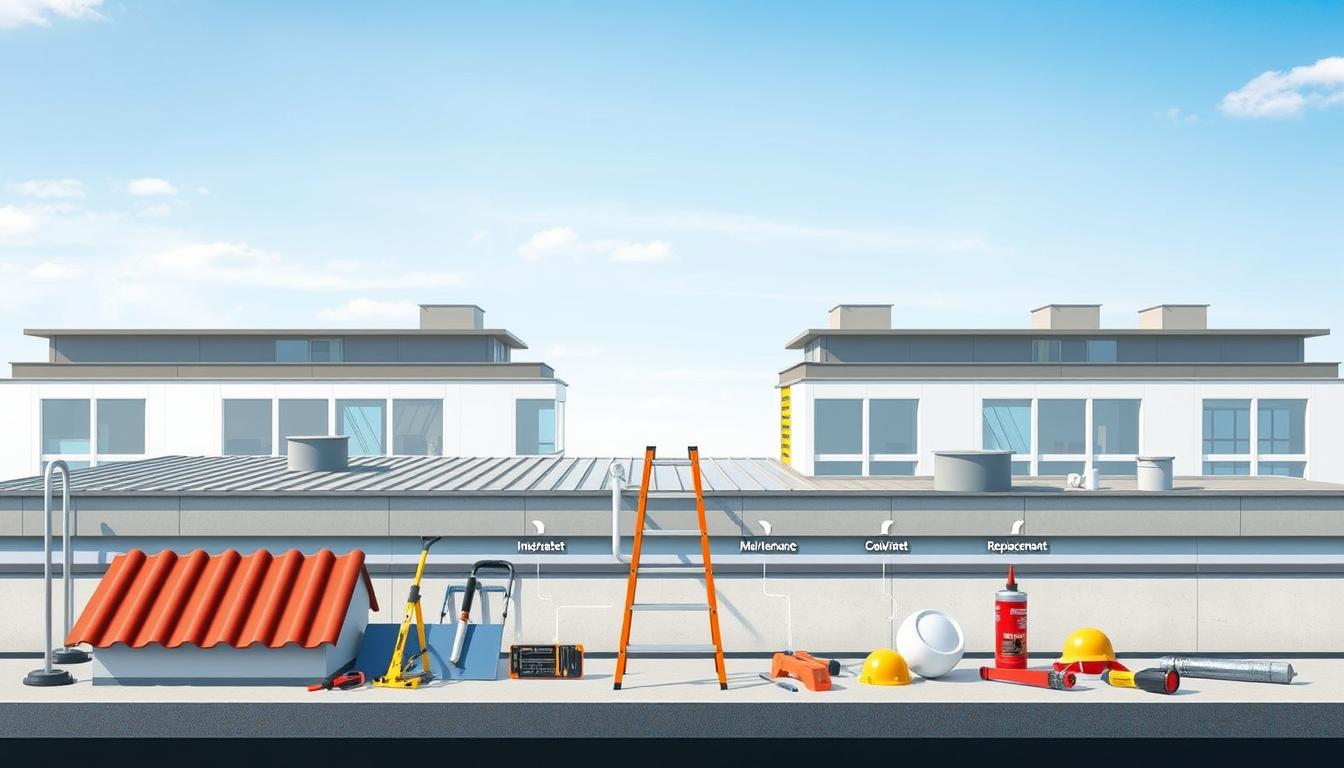
Have you ever considered how much your choice of VULCAN Plastics flat roofing sheets could impact your long-term costs? Understanding maintenance costs and lifecycle planning for flat roofing sheets is crucial for building owners and facility managers. Investing in high-quality commercial flat roofing materials, like those from VULCAN Plastics, can save you money over time. With the right approach, you can minimize unexpected expenses and maximize the lifespan of your roof.
Flat roofing sheets, including corrugated roofing panels, offer various benefits, but their maintenance is often overlooked. By analyzing lifecycle costs, you can make informed decisions that optimize your roofing investment. This section will delve into the importance of choosing durable flat roofing sheets and how VULCAN Plastics can provide you with the expertise needed for effective lifecycle planning.
Key Takeaways
- Understanding maintenance costs is essential for effective budgeting.
- High-quality flat roofing sheets can reduce long-term expenses.
- Lifecycle planning helps extend the lifespan of your roofing investment.
- VULCAN Plastics offers reliable solutions for flat roofing needs.
- Choosing the right materials is crucial for cost efficiency.
What Are Flat Roofing Sheets and Their Benefits?
Flat roofing sheets are a popular choice for both commercial and residential buildings. They provide a smooth, level surface that is easy to install and maintain. These sheets come in various materials, offering unique benefits that cater to different needs. You can find options like PVC roofing membrane, metal roof sheeting, and fiberglass roofing panels. Each type has its advantages, making flat roofing sheets an excellent investment for your property.
How Do Flat Roofing Sheets Compare to Other Materials?
When comparing flat roofing sheets to traditional roofing materials, several factors come into play. Flat roofing sheets are generally more cost-effective, durable, and energy-efficient. They offer:
- Lower installation costs
- Reduced maintenance requirements
- Improved energy efficiency
These advantages make flat roofing sheets a smart choice for many property owners.
What Types of Flat Roofing Sheets Are Available?
There are several types of flat roofing sheets available on the market today. Here are some common options:
- PVC roofing membrane: Known for its durability and energy efficiency.
- Metal roof sheeting: Offers strength and longevity, perfect for harsh weather conditions.
- Fiberglass roofing panels: Lightweight and resistant to corrosion, making them easy to handle.
Each type of flat roofing sheet has unique properties, allowing you to choose the best fit for your project.
Why Choose VULCAN Plastics for Flat Roofing Sheets?
VULCAN Plastics stands out as a trusted supplier of flat roofing sheets in the USA. Their products are known for high quality and variety, ensuring you find the right materials for your needs. With a focus on durability and performance, VULCAN Plastics provides solutions that meet stringent industry standards. Choosing their flat roofing sheets means investing in long-lasting protection for your property.
How Much Do Flat Roofing Sheets Cost to Maintain?
Understanding the maintenance costs associated with flat roofing sheets is essential for any property owner. Various factors influence these expenses, including the type of material used, environmental conditions, and the quality of installation. By grasping these elements, you can better manage your roofing budget and ensure long-term performance.
What Factors Influence Maintenance Costs for Flat Roofing Sheets?
Several key factors can impact the maintenance costs of flat roofing sheets:
- Material Type: Different materials, such as rubber roofing material, EPDM flat roof systems, and TPO roofing sheets, have varying maintenance needs.
- Weather Conditions: Exposure to harsh weather can increase wear and tear, leading to higher maintenance costs.
- Installation Quality: Proper installation is crucial. Poor installation can result in leaks and other issues that raise maintenance expenses.
How Can You Minimize Maintenance Costs for Flat Roofing Sheets?
To keep maintenance costs low, consider these strategies:
- Select durable materials like EPDM flat roof systems or TPO roofing sheets that require less frequent repairs.
- Regularly inspect your roof to catch potential issues early.
- Invest in professional installation to ensure high-quality workmanship.
What Role Does VULCAN Plastics Play in Cost Efficiency?
VULCAN Plastics provides high-quality flat roofing sheets designed for durability and efficiency. Their products help reduce maintenance frequency and costs. By choosing VULCAN Plastics, you can enhance the longevity of your roofing system while keeping expenses manageable.
What is the Lifecycle of Flat Roofing Sheets?
Understanding the lifecycle of flat roofing sheets is essential for effective maintenance and planning. Knowing how long these roofs typically last can help you make informed decisions. The lifespan of flat roofing sheets varies based on several factors, including material type and maintenance practices.
How Long Do Flat Roofing Sheets Typically Last?
Flat roofing sheets can last anywhere from 15 to 30 years, depending on the material used. Here’s a breakdown of typical lifespans:
- EPDM flat roof systems: 20-30 years
- TPO roofing sheets: 15-25 years
- Commercial flat roofing materials: Varies widely based on installation and maintenance
What Factors Affect the Lifespan of Flat Roofing Sheets?
Several factors can influence the lifespan of flat roofing sheets:
- Material Quality: Higher quality materials generally last longer.
- Installation Quality: Proper installation is crucial for durability.
- Maintenance Practices: Regular inspections and repairs can extend lifespan.
- Environmental Conditions: Extreme weather can shorten the lifespan.
How Can VULCAN Plastics Enhance the Lifecycle of Flat Roofing Sheets?
VULCAN Plastics offers advanced materials that significantly enhance the lifecycle of flat roofing sheets. Their EPDM flat roof systems and TPO roofing sheets are designed for superior durability and weather resistance. By choosing VULCAN Plastics, you invest in quality that can lead to fewer repairs and a longer-lasting roof.
Understanding these lifecycle dynamics allows you to plan maintenance and replacement schedules effectively. With the right materials and practices, your investment in flat roofing sheets can deliver maximum value over time.
What Are The Best Practices for Installing Flat Roofing Sheets?
Installing flat roofing sheets requires careful planning and execution. Proper installation ensures the longevity and effectiveness of your roofing system. By following best practices, you can avoid common pitfalls that lead to premature failures. Understanding these practices will help you make informed decisions during your roofing project.
What Installation Techniques Should You Avoid with Flat Roofing Sheets?
Avoid using incorrect adhesives or fasteners when installing flat roofing sheets. Using incompatible materials can compromise the integrity of the roof. Steer clear of poor surface preparation, as this can lead to moisture retention and mold growth. Ensure that the installation follows the manufacturer’s guidelines to maintain the warranty and performance of your flat roofing sheets.
How Does VULCAN Plastics Ensure Quality in Installation of Flat Roofing Sheets?
VULCAN Plastics prioritizes quality by providing high-performance flat roofing sheets designed for easy installation. Their products come with comprehensive installation guidelines and technical support. This assistance ensures that your roofing project adheres to best practices, minimizing risks associated with installation errors. VULCAN’s commitment to quality guarantees that your flat roofing sheets perform effectively over time.
What Should You Consider Before Installing Flat Roofing Sheets?
Before installation, assess your roof structure and ensure it can support the weight of flat roofing sheets. Consider weather conditions that may affect the installation process. Evaluate compatibility with existing materials, such as corrugated roofing panels or metal roof sheeting. Taking these factors into account will help you avoid costly mistakes and ensure a successful installation of your flat roofing sheets.